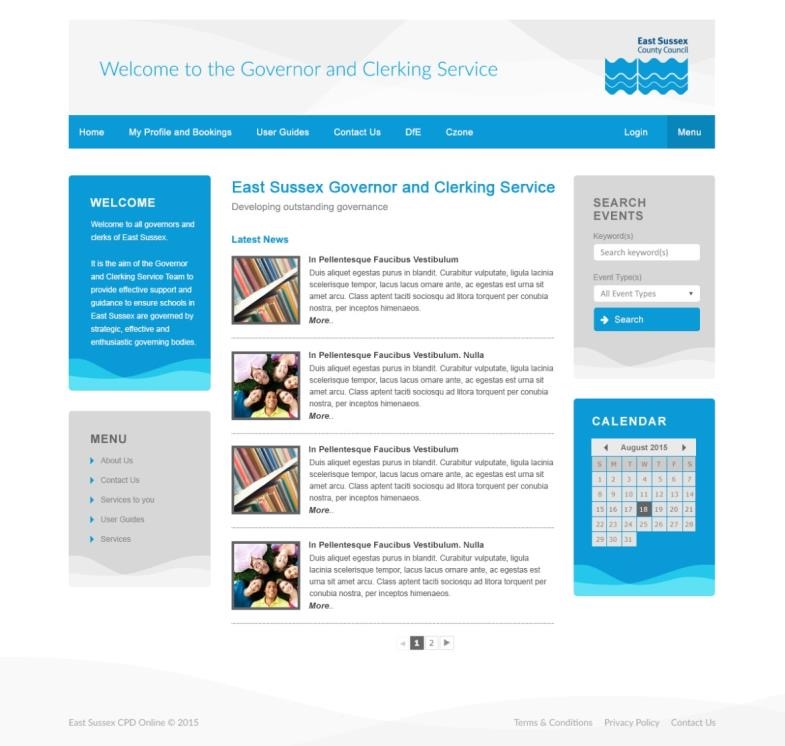
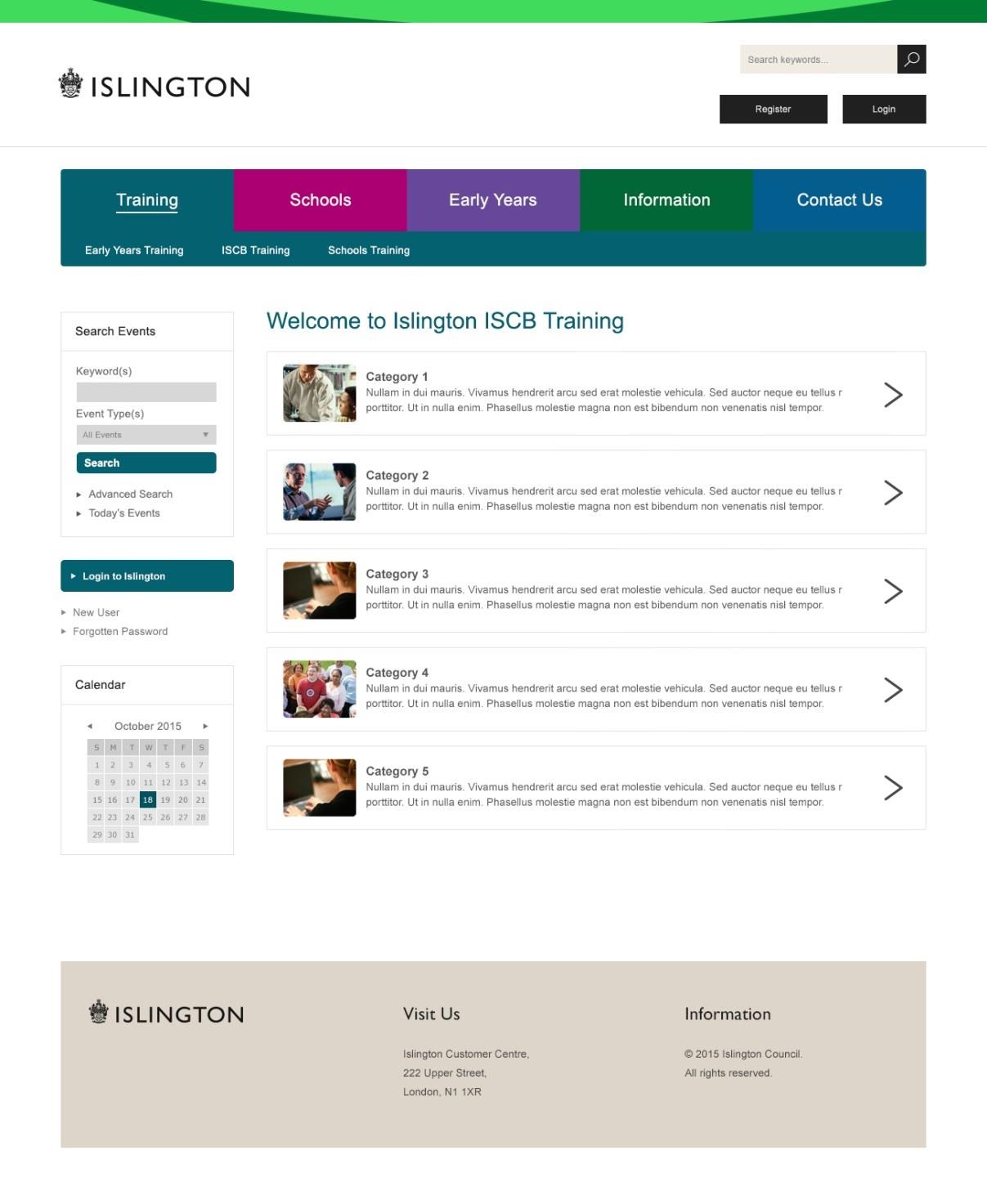
CPD Online (2013) - Product Manager
The Customer: Local Government
The Users: Teachers, Training Providers, Administrators
The Challenge
In the recent past, top-up teacher training (Continuing Professional Development or CPD) was provided directly by Local Government to schools in their area of responsibility.
This changed in 2012, when external providers were allowed to compete in the market to offer their expert services while central Government maintained its role as regulator and financing body.
The Approach
I set out to assess the effectiveness of current methods of classroom training and levels of satisfaction among participants and management in the quality, cost and availability of training services. By observing a range of training courses I gained insight into key future requirements of trainers and trainees.
A series of interviews with the participating groups revealed a) the decision-making path for prospective client trainees, and b) from the trainers’ perspective, how a business model is structured from marketing to delivery; how they balance supply and demand; and how they enlist technology for managing administration and training.
Research findings were reported back to interviewees via remote sessions. This user group became our first pilot cohort for early iterations of the product and, rewardingly, some of its first customers.
Key Insights
- Funding for training is complicated: Teachers can access funding from school and regional or national government sources, or potentially self-fund.
- Teachers are time-poor and any training must be productive i.e. yield clear benefits in the classroom.
- Follow-up activities done in personal time to support their training is best delivered in videos or easily digestible text.
- New trainers entering the market are learning ‘on the job’; coaching in professional presentation will boost self-confidence and keep trainees engaged and interested.
The Outcome
A targeted service that’s been proven to deliver higher quality training at a lower cost for teachers and schools.
The product's success was fueled by word of mouth growth, eventually leading to its use by ⅓ of UK schools.
The savings from the platform have since been used to increase funding for teacher training hours and classroom resources.