Travel Notes S2 E7: The Inca’s Legacy
Originally published on Medium on January 31, 2019.
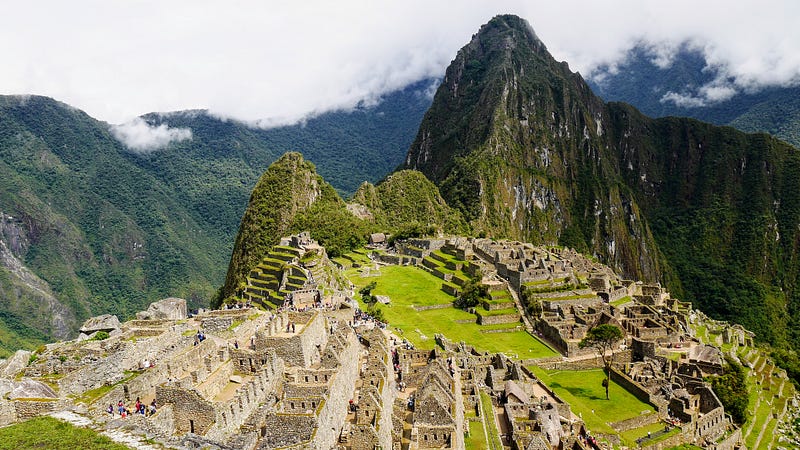
Before there can be beauty there must be design, before there an be design there must be form, before there can be form there must be function.
- Function – it does it
- Form – it does it well
- Design – it does it beautifully
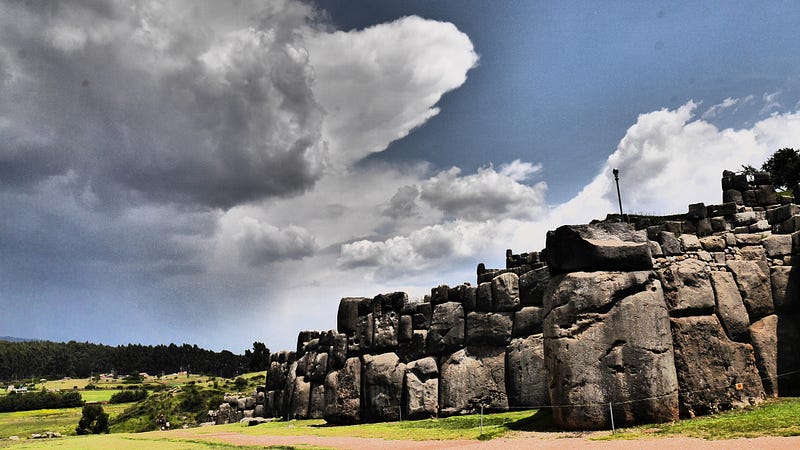
The Incas understood this; you can’t help but appreciate the beauty in their structures, the artistry of their monuments, perfect symmetry between function, form and design that takes our breaths away 400 years after their fall.
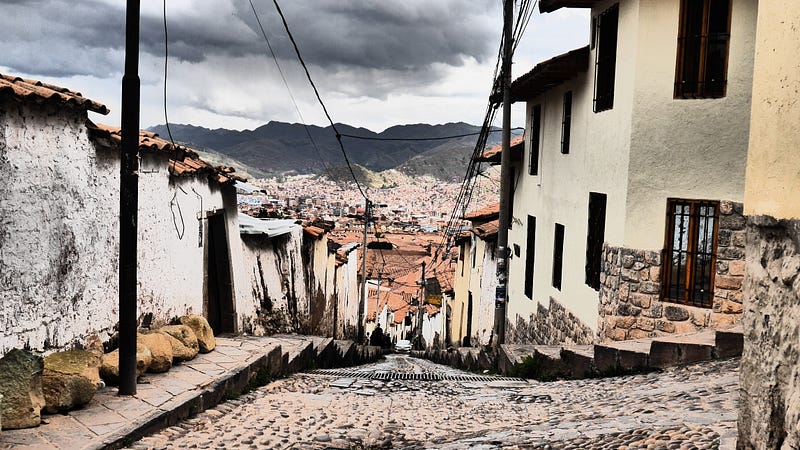
Thus observing the alternative; today’s Peruvian society in contrast brings tears to my eyes. Homes built of necessity not desire, roads built in hope but left in dilapidation, People living for the now, at the expense of the tomorrow.
The country has gone backwards; from a beauty which still leaves visitors in awe to basic function(ality) that may ‘get the job done’ in terms of providing shelter, but provides nothing more; no sense of the builders identity, no addition to the architectural culture of the space, no legacy which will be recalled in 10 years time let alone 100 (To be fair I’d say something similar of many greenfield projects in the UK too…..).
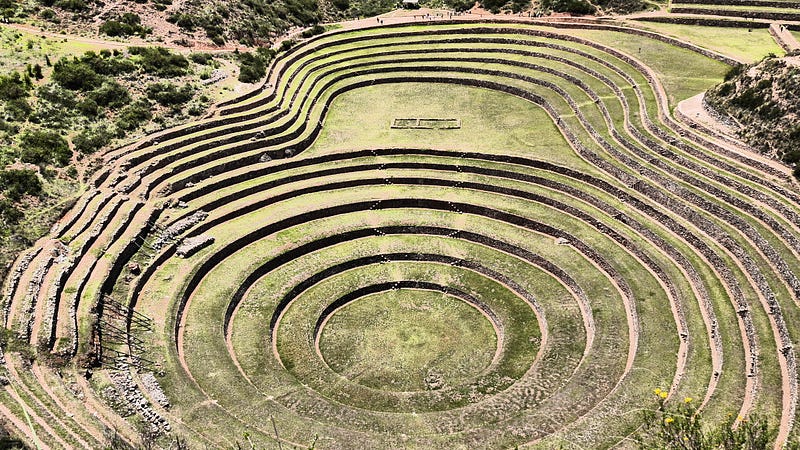
We, the West destroyed the optionality of a civilisation, we gave the Incas (and the Mayas, the Aztecs and rest) a single choice; conform or die, cake or death, change or fall. The possibilities of a civilisation that would change the course of a river to build a temple, construct a agricultural laboratory without the scientific basis of Darwin and expand an empire to the size of Europe in just 100 years boggles the mind.
Given a different set of circumstance, I hold confidence that it might have been the Incas (or Mayans, or the Aztecs) who discovered the scientific method, invented the internal combustion engine or sent the first man to the moon. We will never know…..
There are hints of an ‘Incan revival’ that make me optimistic however; Quechua, Peru’s traditional language is being taught in schools again and increasingly used in day to day life in certain communities. Incan names and pronunciations, long subjugated to Spanish alternatives are returning to common usage and global agricultural monocultures are starting to respect and adapt Perus’ crop diversity, a legacy of centuries of learning in the hardy high Andes.
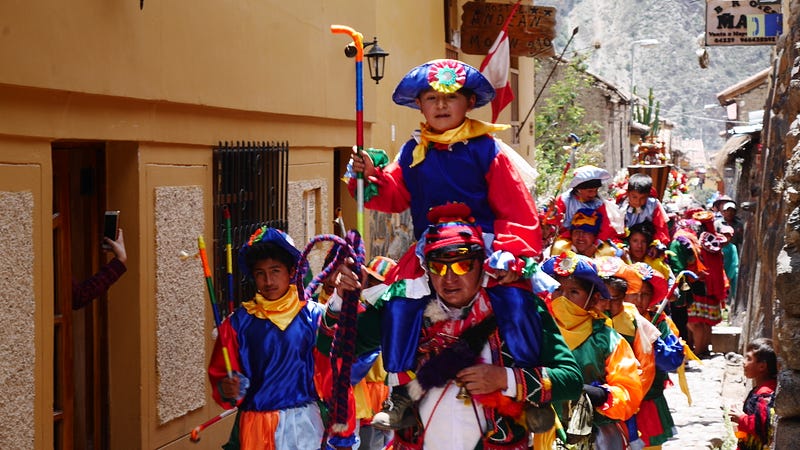
This does little to overcome the structural, economic and political challenges the country was left with at decolonisation however; they were left with a poor hand to play and as with most of South America struggled to reconcile the role of government between domestic desires and international ‘realpolitik’ during the 20th Century. Yet I hope that by recovering pride in their past, Peruvians will (re)gain confidence that they can achieve great things that may be remembered by their descendants 500 years from now.